


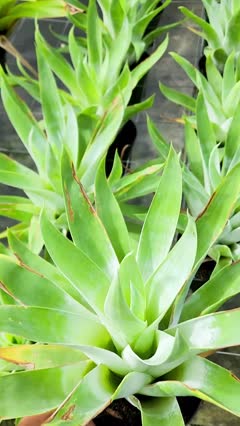

The Catopsis berteroniana, or Powdery Strap Airplant, is a fascinating carnivorous bromeliad known for its distinct appearance and unusual feeding strategy. Here’s a more detailed look at what makes this plant unique and how best to care for it:
Key Features and Characteristics:
- Carnivorous Nature: Unlike traditional carnivorous plants with visible traps, Catopsis berteroniana relies on a less obvious method to capture insects. Its leaves form a rosette that collects water and detritus. Fine, powdery trichomes (tiny hairs) on the leaf surface create a slippery coating that traps insects when they land on the plant. These insects then decompose in the plant’s water reservoir, releasing nutrients the plant absorbs.
- Epiphytic Growth: Found in moist forests and marshlands, this bromeliad typically grows on trees (epiphytically) or sometimes rocks (lithophytically) rather than in soil. This adaptation allows it to capture light and air moisture high up in the forest canopy.
- Leaf Color and Shape: The leaves are often pale green to silvery gray and are coated with a powdery substance that reflects light, giving the plant a frosted look. The leaf rosette can reach up to 1.5–2 feet in height, creating an attractive, vase-like shape.
Ideal Growing Conditions:
Catopsis berteroniana thrives best in conditions that mimic its natural tropical habitat.
- Light: Bright, indirect light is ideal. A well-lit spot near a window is suitable, but avoid direct midday sun, as this can scorch the leaves.
- Watering: This airplant relies on humidity rather than soil moisture, so keep the plant hydrated by misting it regularly, especially in drier indoor environments. Water should be allowed to sit in the center rosette but refreshed often to prevent stagnation.
- Air Circulation: Good air flow helps the plant remain healthy and reduces the risk of fungal growth in its water reservoir. Outdoor placement in a shaded area is also an option if the climate permits.
- Humidity: High humidity (around 60-80%) is preferred. Indoor growers may benefit from a humidifier, particularly in dry seasons.
- Temperature: This tropical species prefers warmth and should be kept above 55°F (13°C). Ideal indoor temperatures range from 65°F to 80°F (18°C to 27°C).
Fertilization:
- Feeding: Since it is sensitive to over-fertilization, it’s best to use a diluted bromeliad or orchid fertilizer only once every few months if needed. Avoid adding fertilizers directly to the rosette, as this can disrupt the natural nutrient acquisition process.
Common Concerns:
- Rot: Avoid overwatering or letting the rosette sit in stagnant water, which can cause rot. Make sure water is freshened regularly, especially if grown indoors.
- Pests: This plant is relatively pest-resistant due to its carnivorous nature, but watch out for scale or mealybugs if grown indoors.
Propagation:
- Offsets: Catopsis berteroniana can be propagated by separating offsets or “pups” that grow at the base of the plant. Wait until the offset is at least one-third of the size of the mother plant before removing and replanting it.
Fun Fact:
As one of the few known carnivorous bromeliads, Catopsis berteroniana plays a unique role in its ecosystem. It attracts a range of insects that feed in and around its water reservoir, inadvertently becoming part of the plant’s nutrient cycle.
With its captivating, powdery foliage and curious feeding habits, Catopsis berteroniana is an excellent choice for plant enthusiasts looking to add something truly unique to their collection


Reviews
There are no reviews yet.