


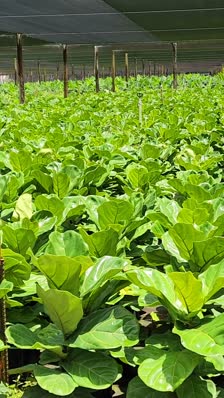
Ficus Fiddle Leaf Fig 9″ pot


$34.99
What really needs to be said about the Ficus Lyrata? If you want to be cool you have to have this plant. Give it lots of light and very little water then just be cool. The bush has foliage from top to bottom with multiple stem for fullness.
Ficus are adaptable plants but should be used in brighter interior environments. Look for a slightly better lit area for lyrata compared to other Ficus varieties.
Lyrata should experience a substantial dry period between waterings. It is very drought tolerant, and actually can grow too vigorously if given lots of water.
- Description
- Additional information
- Reviews (0)
Description
Ficus are adaptable plants but should be used in brighter interior environments. Look for a slightly better lit area for lyrata compared to other Ficus varieties.Lyrata should experience a substantial dry period between waterings. It is very drought tolerant, and actually can grow too vigorously if given lots of water.
- Spider mites may be a problem indoors
- Mealybugs may be a problem indoors
- Aphids, thrips and whitefly are typical pests in the nursery but, depending on location, may not pose a threat indoors.
- Large brown, irregular, dry spots on the leaf indicates light levels are too low in the area of that leaf.
- This plant is very drought tolerant. Only supply water when needed. Too much water may lead to undesirable growth.
- Older leaves are too tough for insects to exploit. Focus treatments on the new softer foliage.
- Red spots on the newest leaves can be caused by insect feeding. Use a magnifying glass and inspect the newest leaves for pests
Mites should be primarily controlled with predator mites. Neoseiulus californicus,(Spical, Spical Plus, Californiline) and Phytoseiulus persimilis,(Spidex, Bio Persimilis, Phytoline) are two excellent choices for spider mite control. If a mite infestation is exceptionally bad, prior to the release of predator mites, spray the plant with water or horticultural oil. Both will provide some knockdown control of spider mites and will not leave a toxic residue that may effect predator mites. If the population of spider mites is red in color, (as opposed to pale yellow with 2 dark black spots) then californicus mites are the only option. Even these predators do not feed heavily on the red spider mite. In this case spraying is the best option. Use a miticide that works well with californicus predator mites (Sultan, Floramite SC, Shuttle O).
Mealybugs can be removed with a systemic insecticide drench and hand cleaning. If pesticides are not an option, try horticultural oil directly sprayed onto the insects. A second and third treatment, if using oils, will be necessary. Space out the sprays at 1 week intervals to break up the mealybug life cycle. Mealybugs like to hide against the stem, just below the newest one or two leaves, inside the dried remains of the leaf sheath (Link to pictures below).
Aphids can be controlled in the same way as mealybugs.
Thrips can cause red lines and spots on the newest emerging leaf. Check the link below for pictures of thrip damage. Thrips are difficult to find. They most likely will be inside the leaf sheath of the newest leaf. Let the lyrata dry to prevent the production of a new leaf and spray horticultural oil on the newest foliage. Repeat treatments of the oil spray on a weekly basis for 3 weeks then observe.
Lyrata can be kept very dry without negative consequences. With a surplus of water the lyrata will try to grow too rapidly given certain conditions. Since many pests like the newest soft foliage reducing the number of new soft leaves can be advantageous.
Large dry brown dead areas of a leaf indicate low light damage. Parts of a lyrata leaf may die while the rest of the leaf is still nice. This happens when a higher leaf is shading a lower leaf. The portion of the lower leaf being shaded may die. It is also common to see the foliage away from the light source look noticeable worse than those facing the light source. When this is happening to upper foliage, that is not being shaded, the entire area is too dark to sustain the Ficus lyrata. Move it to a brighter area. Overwatering to the point of root death may also cause leaf spots but these are usually accompanied by leaf drop and other drastic indications that something is wrong with the entire plant.
Additional information
| Weight | 20 lbs |
|---|---|
| Dimensions | 36 × 9 × 9 in |
| Pot | |
| Light Level | |
| Size | |
| Care Level | Easy (Beginner-Friendly) |
| Placement | Indoor Large Statement Plants |
| Collections | |
| Foliage Color | 🌿 Classic Green |
Only logged in customers who have purchased this product may leave a review.
Reviews
There are no reviews yet.