


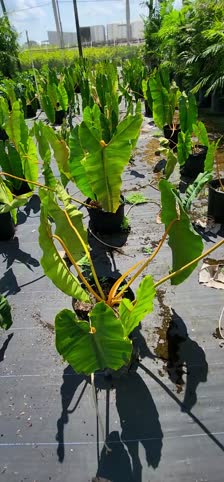
Philodendron Billietiae


Price range: $24.99 through $189.99
The philodendron billietiae is a genus of philodendron that has many different species. The philodendron billietiae is one of the most popular types, and it’s easy to see why! This plant grows fast, and can be grown indoors or out. It thrives in warm environments with bright indirect light- perfect for our homes!
- Description
- Additional information
- Reviews (0)
Description
Philodendron Billietiae is a philodendron plant species, also known as the green philodendron or emerald vine philodendron. The scientific name for it is philodendron billietiae, and its common names include “Philidor” or simply “Billie.” It can be found in parts of Central America like Costa Rica in humid lowland forests. It can grow to be over 9 feet tall with leaves that are about 3 feet wide.
It has been used as an ornamental plant since the 1800s, but not many people know just how much variety there is within philodendron billietiae or what makes them so different from other philodendron.
The philodendron billietiae is a vine, climbing up to heights of 12 feet in order to get away from the ground and reach more sunlight for photosynthesis. It has leaves that are about five inches long with dark green colors mixed in with lighter shades of yellowish-green or copper browns against larger veins on the top side of the leaves. It has an upright grow habit with leaves that are glossy, thick, wavy and dark green in coloration.
In addition, philodendron billietiae vines grow on a single stem with clusters of light green flowers that bloom over the course of several months from July to October in its native range. Their fruit is typically small and red, but can be either yellowish or white as well.
It was first discovered in the 18th century by French explorer and naturalist Jean Baptiste Billiat. The philodendron billietiae plant is part of the Araceae family, which also includes black fig trees, elephant ears or caladiums, philodendrons, and spathiphyllum.
Philodendron billietiae are native to Central America where they grow on limestone rocks in the wild but can also be grown indoors as a house plant. It has been introduced to other parts of Central and North America because its leaves are highly sought after for decoration.
Philodendron Care
Philodendron billietiae prefers bright indirect light. It can do well with as little as two hours of direct sunlight a day, but should not be in an area where it will get scorching or baking hot sun all day long. philodendron billietiae thrives when near a window that is shaded for most of the day, but where it will get some direct sunlight in the morning or during midday
Philodendron billietiae do not like to be overwatered. When watering philodendron billietae, use a water bottle with distilled or rainwater and only saturate the soil in the potting mix for 15 minutes every three days. If philodendrons are grown as house plants, philodendron billietiae can be watered once a week.
Philodendron billietae are sensitive to drought and should therefore be misted with distilled or rainwater morning and evening in the summer months when grown as houseplants. Philodendrons like their roots moist but not wet and will rot if they are overwatered.
Philodendron billietiae should be watered in the morning to reduce water loss at night when temperature drop and as a result, philodendrons will not need watering for another two days after being watered in the morning. If philodendeds are grown outdoors or have their soil sitting on top of the ground, philodendron billietiae should be watered in the evening.
Philodendrons need to dry out between watering cycles and therefore will not require as much water when grown outdoors or if their soil sits on top of a surface that is impervious to moisture such as sand or bark chips. Philodendeds grown outdoors do not need to be watered in the winter.
Philodendron billietiae should never be allowed to sit in water because they will die from rot due to trapped air and roots sitting on top of a wet soil surface that cannot dry out between watering cycles. They can also drown if their container is over-watered and the water level in philodendrons potting mix is allowed to rise.
As Philodendrons are fast-growing plants, they require regular fertilizing. They’ll need all the energy they can get to keep growing as quickly as possible. When you see your plant starts to grow more slowly, this could mean that it burned through all the fertilizer and it’s time to provide it with some more. During the growing season, spring and winter, it’s best to fertilize the philodendron once per month and during the dormancy period, autumn (fall) and winter, you can scale this back to once per 6 to 8 weeks.
Pale new leaves typically indicate that your plant isn’t getting enough calcium or magnesium. Fertilizing your plant with a water-soluble houseplant fertilizer once a month will keep your plants healthy, strong, and beautiful.
Philodendron Billietiae can thrive in a variety of temperatures. They need temperatures above 55 degrees Fahrenheit to grow optimally. The philodendron billietiae is a tropical plant, and as such does not handle cold temperatures well. It prefers to be kept indoors in the winter months or inside of a greenhouse if you live in an area that experiences cold winters.
If it becomes necessary to move your philodendron outside during colder weather (e.g., to replace a philodendron that died), consider placing it on the north side of your house where it will not be exposed to wind or sun, and keep its potting soil moist at all times.
If you live in an area with cold winters, take care never to allow the philodendron billietiae to freeze for even a short period of time. If the philodendron billietiae experiences frost, it will turn brown and die as quickly as if you had left it outside all winter long.
Humidity is one of the most important aspects to philodendron billietiae care. It needs humidity levels that are between 50% and 100%, however, it can handle a small swing in this range. When philodendrons start to droop or wilt they need more humidity so you may want to spray them with water or put them in a moist environment.
One way to measure the humidity is by using a hygrometer, which can be purchased at any hardware store or garden center. It’s also possible to use your fingers on philodendron leaves–if they’re soft and pliable then you are good; if they’re dry and stiff, then philodendron needs more humidity.
If you’re experiencing a high level of moisture, it’s important to make sure that the philodendron is getting plenty of air. You can do this by misting it daily and making sure there are plenty of spaces for ventilation in your home or office. This will help prevent mould or fungus from forming.
Soil is very important for philodendron billietiae. Philodendrons are not very demanding when it comes to soil, but philodendron billietiae require a potting mix that drains well and has good aeration in order to avoid root rot or slow growth due to lack of oxygen. Potting mixes often have ingredients such as perlite, sand and bark chips.
Philodendrons are quite thirsty plants, but also can’t sit in wet soil for too long. So it’s good to get a soil that retains water for a longer time but doesn’t actually stay wet or compacts when it’s wet for a long period. A palm soil mix is a great choice for a philodendron. It can retain water well, but doesn’t compact, which allows oxygen to get to the roots at all times
Pruning your plants helps encourage new growth and keeps your plants from getting leggy. Snip off dead leaves to make way for new leaves. Keep your clippings—they can be used for propagation.
Philodendrons can fall prey to common pests like mealybugs, spider mites, and aphids. Keep pests at bay by maintaining the health of your plant. You can also spray your plant with neem oil or a diluted dish soap solution if necessary.
When you notice philodendron billietiae roots have grown out of the pot, it’s time to repot your philodendron. The best time to do this is when philodendron plants are in active growth and before they start getting icky brown tips on their leaves (this is usually in the late winter to early spring).
- If philodendron plants are potted, a pot with at least two drainage holes is preferred. For pots without drain holes, you can place pebbles or rocks on top of the soil if it doesn’t have good drainage.
- Fill your new container about halfway full of potting soil or planting mix.
- Place philodendron plants in the pot, making sure that at least one inch of stem is buried underneath soil. Gently pat down the soil around philodendron roots to keep it from moving and then add more potting mixture if needed until you have about two inches on top.
- Water philodendron plants thoroughly and offer them a bit of extra TLC for about two weeks. The soil should be consistently moist but not soggy or wet.
- If philodendron roots are bare, mix in some potting mixture before adding water to create more aeration around the root area.
We want our customers to feel like they are in a nursery buying the plants. To accomplish that goal, we try to display in our online store every single plant we sell. That means every plant you see in our store with a mark, drawing or a number on the pot will be the plant delivered to your door. There are times in which plant sales are faster than we can photograph and list them individually. Therefore, unmarked plants are a representative of other plants belonging to the same lot. The product you purchase will not be the exact one displayed in the image but it will be similar. We take special care ensuring that unmarked plants are an accurate representation of the plant you will receive. We take great pride in how we ship our plants and we are sure you will be greatly satisfied with how we do it Each plant has a custom, handmade wood support structure that ensures that it will get there safely and undamaged. We also ship our plants in larger boxes to prevent leaves from being bent and damaged. Please Add 72 hours heat pack to the order if you feel the weather could hurt the plant in transit to your area
Additional information
| Weight | 6 lbs |
|---|---|
| Dimensions | 20 × 6 × 6 in |
| Size | |
| Light Level | |
| Care Level | Moderate |
| Pot |
Only logged in customers who have purchased this product may leave a review.
You may also like…


Also please check our featured product list
-
Philodendron, 💡"One of a Kind"
Philodendron Jose Bueno (One of a Kind)
Original price was: $99.99.$59.99Current price is: $59.99.


Reviews
There are no reviews yet.